Thursday, June 12, 2025

Shock of all shocks! I am back.


Hey fellow riders and travel enthusiasts!

It's been way too long since I've updated you all, but I'm excited to share some important news about where I am at.

For those who quite possibly don't remember me, I'm Renee Charbonneau (you might know me as Belt Drive Betty), and I'm proud to serve as a Certified Travel Agent (CTA) with CMTA Travel Services, a division of the Canadian Motorcycle Tourism Association. The commission earned from selling travel helps our association fund its programming, which I will get into in more detail over the coming weeks and months ahead. Here's What We Can Do for You: 🏍️ Professional Travel Planning: As a CTA certified through The Travel Institute and The Travel Agent Next Door, I bring professional expertise to planning your motorcycle adventures across Canada and beyond. 🚛 Motorcycle Shipping Services: Yes, you read that right! We can arrange to ship your bikes to your destination. Whether you're planning an epic cross-country adventure or want to explore distant riding territories without the long haul, we've got you covered. 🗺️ Expert Route Planning: With years of experience and my published work, "Quebec for the English-Speaking Rider," I know the best routes, hidden gems, and rider-friendly stops across Canada. 🏨 Accommodation & Logistics: From rider-friendly hotels to strategic stops along your route, we handle all the details so you can focus on the ride. Why Choose CMTA Travel Services? Rider-Focused Expertise: We're not just travel agents—we're riders who understand what makes a great motorcycle trip Rural Canada Advocacy: We're passionate about showcasing the incredible riding opportunities in rural Canada Veteran-Friendly: As someone with deep military family roots, I understand the unique needs of veteran riders Personal Touch: Every trip is planned with the care and attention you'd expect from a fellow rider Our Mission At CMTA Travel Services, we're committed to: toromoting motorcycle tourism across Canada - Supporting rural communities through responsible tourism - Connecting riders with unforgettable experiences - Providing professional, reliable travel services tailored to motorcyclists Ready to Plan Your Next Adventure? Whether you're dreaming of: of scenic ride through the Canadian Rockies - Exploring the maritime provinces - Discovering Quebec's incredible riding routes - Planning a cran epicss-country epicney - Shipping your bike for an international adventure We're here to make it happen! Get in Touch Don't let another riding season pass without exploring new territories. Contact CMTA Travel Services today, and let's start planning your next unforgettable motorcycle adventure. Remember, life's too short for boring rides—let's make every journey count and ride like everyone around you is blind and can't see you!
Renee Charbonneau (Belt Drive Betty) Certified Travel Agent CMTA Travel Services Canadian Motorcycle Tourism Association

Wednesday, June 04, 2025

Why Canadian Roads Are the Antidote to 2025's Travel Fears

While headlines scream about aviation disasters, political tensions, and economic uncertainty making travel feel risky, there's a solution hiding in plain sight: the open road.

As someone who's spent decades navigating Canada's highways and helping travelers discover authentic experiences, I've watched 2025's travel fears create an opportunity for domestic tourism that we haven't seen in years.


The Reality Check
Aviation anxiety is real - 52 deadly crashes in the U.S. this year have people genuinely scared to fly. Americans worry about international reception. Rising costs make families hesitant to book expensive trips. Airport chaos adds stress to every journey.
But here's what the fear-mongering headlines miss: 
Canada offers world-class experiences without the anxiety triggers that are paralyzing travelers right now.
Why Road Travel Works Right Now
No flight delays. 
No airport security lines. 
No worrying about how you'll be received in a foreign country. 
When you're exploring your own backyard, you control the timeline, the budget, and the experience.
Take the route from Grande Prairie through Grande Cache to Canmore - you'll see landscapes that rival anything in Europe, without the currency exchange or language barriers. 
The Mennonite Heritage Village in Steinbach delivers authentic cultural immersion that puts most international heritage sites to shame.
And there are so many more examples I could offer.
The Economic Advantage
While international travel costs spiral upward, domestic road trips offer predictable budgets. 
You know what gas costs. 
You can pack your own food. 
You can choose accommodations that fit your budget, from camping to luxury lodges.

Real Stories, Real Places
The stories I've collected over the years - from pioneering motorcyclists like Sadie Grimm who tackled routes in 1914 that intimidated men, to modern riders discovering hidden gems across the provinces - prove that Canada's roads offer adventures that satisfy the most demanding travelers.
These aren't consolation prizes for people who can't afford "real" travel. 
These are authentic experiences that happen to be accessible, affordable, and anxiety-free.
The Bottom Line
While other travelers stress about flight cancellations and international complications, road travelers are discovering that the best adventures might be closer than they thought. 
Sometimes the solution to travel anxiety isn't conquering your fears - it's choosing a better or different way to travel.

Planning a Canadian road adventure that sidesteps 2025's travel anxieties? 
As a Certified Travel Agent with CMTA Travel Services, I specialize in creating domestic routes that deliver international-quality experiences without the stress. Visit cmtatravelservices.com or contact CMTA Travel Services through the Canadian Motorcycle Tourism Association for personalized travel planning that puts you back in control of your journey.

Friday, October 28, 2022

Common Characteristics of Motorcycle Clubs

Southern California Norton Owner's Club Cambria Ride, on Highway 41 near Creston, CA

Once in a while, you may notice a long line of motorcyclists with similar vehicles and clothes riding in a formation on the highways or streets. Motorcycle clubs are close-knit organizations comprised of members who all share a love for riding, customizing, and showing off motorcycles. Due to how widespread motorcycle culture has become in recent years, there are dozens of motorcycle clubs throughout North America. Some are legally recognized and do charity work, like the Canadian Motorcycle Association or the Motor Maids. Others engage in criminal activities and have garnered a dangerous reputation, such as the Hell’s Angels or the Devils Army. 


Though motorcycle clubs can differ in their purpose, membership, and territory, there are a few characteristics that they all share. It is difficult for non-members to discern a true motorcycle club, but you should be able to identify a motorcycle club so long as it meets the following criteria. 


  1. Members Must Own A Motorcycle


To be eligible to become part of a motorcycle club, you must own a personal motorcycle. Depending on the motorcycle club, you may be able to bring any type of motorcycle, regardless of the series, model, or brand. However, some motorcycle clubs are particular about all members riding only vehicles from only one specific brand, either Harley Davidson, Honda, etc. You will not be accepted into a club if you borrow a motorcycle from a friend, family member, or rental service. 


The longer you stay part of a motorcycle club, the more you will be expected to upgrade and customize your ride with the latest technological features and add-ons, such as sissy bars. You can check the complete guide about what and how a sissy bar is useful at Viking Bags.

  1. Hierarchy System


Like any organization, motorcycle clubs have a hierarchy system that separates the more experienced members from the newer ones and the leaders from the subordinates. Several key roles are responsible for the financial, organizational, and decision-making that goes on in a motorcycle club. The descending order from most authority to least authority differs between motorcycle clubs, but most organizations include the following occupations: 


The founder is the original or first member of the motorcycle club. If the founder is actively involved in club decisions, s/he usually takes up the responsibilities of the president. Often among long-lasting motorcycle clubs, the founder has long since retired and has passed on leadership to someone else. 


The president serves as the leader of a motorcycle club, overseeing all meetings and acting as the organization’s spokesperson when dealing with other motorcycle clubs, law enforcement, or news groups. 


The vice president oversees and ensures the smooth operation of all motorcycle club activities, including meetings, events, rides, etc. S/he also addresses any concerns the members may have and bring up any issues to the president. Should the president be absent, the vice president will temporarily take up the president’s duties. 


The secretary is responsible for writing and storing the motorcycle club’s records, including the material covered in meetings, financial documents, and other essential paperwork. S/he also doubles as the historian, keeping track of important events in the club’s history. 


The treasurer handles the club’s funds, ensures that monthly payments from each member are on time, and ensures the organization pays all the required bills for location, repairs, and events. S/he also advises the president on how to best spend the club’s finances. 


The sergeant-at-arms ensures that every member follows the rules and disciplines those who break them. S/he has the authority to strip members of their rank and expel them from the club. The sergeant-at-arms is also responsible for security, ensuring that no dangerous individuals infiltrate the club or anyone has a weapon. 


The road captain organizes group rides, plans out the possible routes and rest stops, sets the pace of the trips, and leads the procession from the front. 


The members are full-fledged members who have earned their patches and have been accepted as subordinates in the motorcycle club. 


The prospects are individuals who wish to become members but have yet to prove themselves. They will serve a probationary period until they have fulfilled enough obligations and earned the trust of the other members. 


  1. Designated Territory

Depending on the size and influence of a motorcycle club, the leadership will stake its claim within a specific neighborhood, town, or city. The larger and more well-known a motorcycle club is, the more territory the organization will have under its control. There is an unspoken rule between motorcycle clubs that members should not encroach onto each other’s territory since doing so implies a lack of respect and willingness to undermine the other party’s authority. Motorcycle clubs that have tried to move in on each other’s territory have often resulted in violent confrontations. Typically, only one major motorcycle club can occupy a state at a time. 

  1. Requisite Number of Riding Miles Per Year


For motorcycle club members to remain part of the organization, they need to do more than just pay a monthly membership fee. Being part of a motorcycle club means you need to spend as much time on your motorcycle and participate in club events as often as possible. The exact value differs between motorcycle clubs, but you are required to ride a minimum number of miles as part of fulfilling your yearly obligations. Not riding the required mileage each year implies a growing lack of interest in motorcycle riding. If the leadership feels that you no longer care about the future of the motorcycle club, you may be stripped of your rank and privileges. At worst, you will be expelled from the club if you hardly touch your motorcycle and have prioritized other aspects of life. 


  1. Loyalty, Responsibility, & Camaraderie


Joining a motorcycle club is a long-term commitment that requires a lot of your attention, time, and money. The motorcycle club expects you to put the needs of the organization and its members first, even over your wants and needs. If the motorcycle club has an emergency or requires your expertise, you are expected to drop everything to help. Whenever the motorcycle club organizes meetings and events, you are required to attend. Failure to do so implies a lack of interest or disregard for the authority of the older members. 


Each motorcycle member is required to pay a monthly membership fee to help cover the costs of expenses, utilities, etc. When organizing a charity or an event, you may be required to make a donation or contribute to the budget to ensure there is enough funding. 


When you become a full-fledged member, you are expected to treat the other riders as brothers and sisters and support them as if they were family. The more trust you develop, the more respect you receive from the other members. Just remember to show proper respect to the more experienced motorcyclists. 


The Qualities of Motorcycle Clubs


Motorcycle clubs are led by and formed by motorcycle enthusiasts who have a deep passion for riding on roads at high speed. Though they range from legal to illegal, motorcycle clubs are well-structured organizations with a clear hierarchy, requirements, and sets of values. Though joining a motorcycle club can be difficult and intimidating, it can be a rewarding experience for those looking to expand their social circle and experience memorable rides. 


Photo credit: Wikipedia


Despatch Riders, Thinking Ahead to Indigenous Veterans Day and Remembrance Day


A British military motorcycle dispatch rider during the First World War


Throughout its brief 155-year history, Canada has participated in many wars and conflicts across the globe. From 1867 to the modern day, hundreds of thousands of brave Canadian military personnel died defending Canada’s sovereignty or serving other nations threatened by invaders. Though the sacrifice and service of the men and women who served in Canada’s military are honored by millions every day, whether in grand gestures or quiet moments of respect, there are holidays observed in Canada dedicated to remembering the fallen. Two of these holidays are Indigenous Veterans Day and Remembrance Day. 


When you read the names engraved in stone or metal at memorial sites, graveyards, and military museums, you likely assume that these names belonged to members of the infantry, navy, and air force. Most of the fallen Canadian military personnel whose names have long since been immortalized fell while engaging the enemy on the front lines. However, there are plenty of unsung heroes whose actions played a crucial role in maintaining communication among different branches of the Canadian military. Would you believe that these unsung heroes were Canadian motorcycle riders? They were known as despatch riders. 


Despatch Riders


Despatch riders, or motorcycle couriers, were military messengers first utilized during World War I and continued to be in service during World War II. Though some despatch riders rode on horses, many preferred to travel via motorcycle. They were responsible for carrying important messages, urgent orders, confidential packages, and detailed instructions between and to the military higher-ups and their subordinates. Occasionally, they would also be required to transport carrier pigeons partway. Due to despatch rider motorcycles being able to handle all types of terrain, they also were handy in performing reconnaissance, spying, and reporting on enemy movements and positions. Despatch riders were essential since long-range communications were not as reliable or secure during the early 1900s, ensuring messages were hand-delivered and could not be easily intercepted. 


Just like any member of the Canadian military, becoming a despatch rider required going through a rigorous training process. Despatch riders had to learn how to ride a motorcycle, perform quick maneuvers on training courses, navigate and map out multiple routes, apply repairs if necessary, and travel across rough terrain for extended periods. While despatch riders were not suited for intense combat, their job was still as dangerous as any soldier’s since they risked being shot or captured while traveling along or to the frontlines. Many Canadian despatch riders met such fates in Europe during both World Wars. 


Indigenous Veterans Day


Indigenous Veterans Day, or Aboriginal Veterans Day, was first celebrated in 1994 and has always been celebrated on November 8th. This Canadian holiday celebrates the sacrifice and service of Aboriginal Canadians who protected Canada and its allies, especially during World War I, World War II, and the Korean War. Many of the indigenous veterans that are honored include members of the First Nations, the Inuit, and the Métis. 


During World War I, many able-bodied Aboriginal Canadians wanted to join the war effort. However, years of suffering in poverty and being exposed to diseases on the reserves made it difficult for many of them to pass medical examinations. The few hundreds who were allowed to head over to the trenches in Europe died either in combat or succumbed to diseases. When World War II began, a little more than 3,000 indigenous soldiers from Canada took part in the defense of Canada and the European nations under siege by German forces. 


Unfortunately, despite their contributions, Aboriginal Canadians were not treated as part of the honored fallen on Remembrance Day. Thus, Indigenous Veterans Day was founded as a separate holiday in defiance of the Indian Act that prevented indigenous people from being allowed to place wreaths on the National War Memorial. Aboriginal Canadian veterans were finally given the recognition they deserved in 1995. 


Remembrance Day


Remembrance Day was first celebrated in 1931 and has always been celebrated on November 11th. This Canadian holiday is a day meant to remember and show appreciation for all the men and women of the Canadian military, both past and present, who fought and served their country during times of war and peace. 


Originally called Armistice Day, this holiday was meant to mark the end of World War I. From 1919 to 1930, this holiday continued to be called Armistice Day, celebrated every Monday during the week of November 11th. After its name was changed to Remembrance Day in 1931, this holiday would only be held on November 11th going forward. 


Remembrance Day involves a moment of silence for the 2,300,000 Canadian soldiers who have served the nation throughout history and to remember the 118,000 fallen Canadian military personnel who died in the line of duty. Veterans and other individuals who celebrate this holiday wear a poppy, the symbol for this event. 


How to Celebrate Indigenous Veterans Day & Remembrance Day


Though an obscure part of Canadian military history, despatch riders shed no less blood and sweat than soldiers during many of the world’s most pivotal conflicts. They are just as deserving, if not more, of admiration for risking their lives on behalf of Canada. With Indigenous Veterans Day and Remembrance Day coming soon, these two holidays are the best occasions to show your appreciation for the memory of Canadian despatch riders. 


On Indigenous Veterans Day, you can plan an exciting motorcycle trip visiting notable locations related to Aboriginal Canadians or despatch riders that served during World War I and II. As there are no previous tours, you would have to be responsible for planning the routes and locations you would visit, such as the Bény-Sur-Mer Canadian War Cemetary, Manitoba, and the National War Memorial. You also may want to consider customizing your motorcycle with aftermarket parts or luggage to be better suited for such a trip.


On Remembrance Day, you can witness the National Memorial Ride, a procession of motorcycles being ridden by military veterans and associated individuals to the Canadian National Military Cemetary in Ottawa. If you happen to be a family member or close friend of a member or veteran of the Canadian military, it is possible to ride along the ranks of the procession. If you want to learn more about other notable motorcycle events or routes, take time to read articles and blog posts


Photo credit: Wikipedia


Thursday, August 13, 2020

Fascinating Facts About Motorcycles You Might Not Have Known


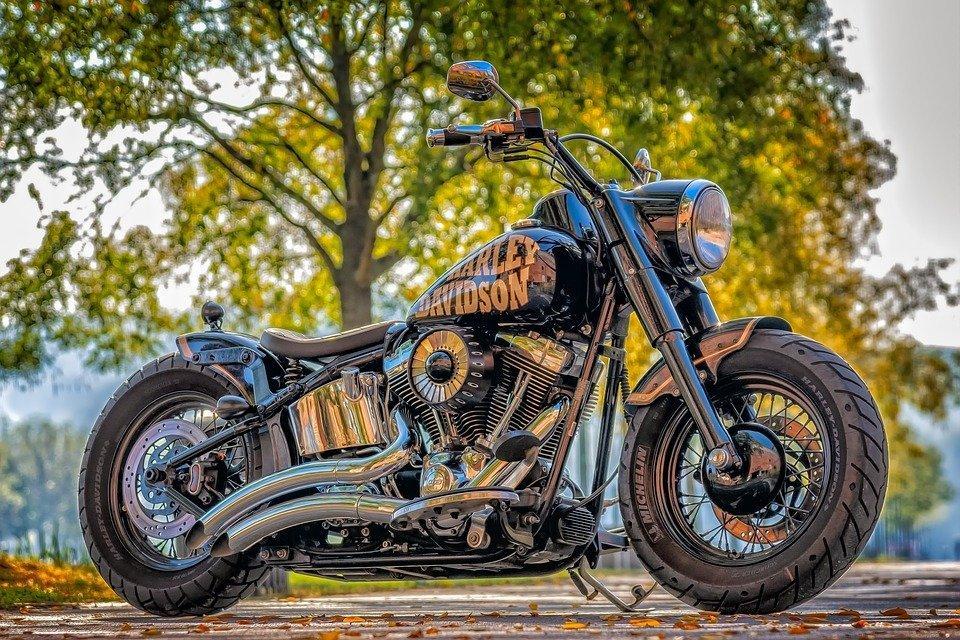
Harley Davidson, Motorcycle, Machine, Chrome, Usa


Riding a bike might be a hobby for some people, but for most amateurs and professionals riders, it is also a lifestyle. The thrill, of going down an everlasting open road, the wind in your face, and the lure of exploring new places around every bend, is infectious and the reason why thousands of people ride motorbikes every day.  


Now, being part of a community also means knowing more about it and its people. The motorbike world isn’t without its oddities and facts, some that make you feel proud while others that leave you wondering what a wonderfully crazy world we inhabit. 

The Market Leader

When we look at the overall sales of motorbikes in the US, there is only one leader in the category, Harley Davidson. When comparing sales of different motorbike brands, reports suggest that Honda sells the most “two-wheelers”, but when considering only bikes, statistics are in favour of Harley. The company showed over 5.5 billion in revenue in 2017 and continues to grow every year.  

The “Dead Red” Law

Have you ever heard of the “Dead Red” law from 2015, signed in Indiana? It’s fascinating because it allows any biker in the state to stop at a red light for only two minutes before heading off. Basically, treat a stoplight like a stop sign and then continue with your journey while cautious of any oncoming traffic, of course. 


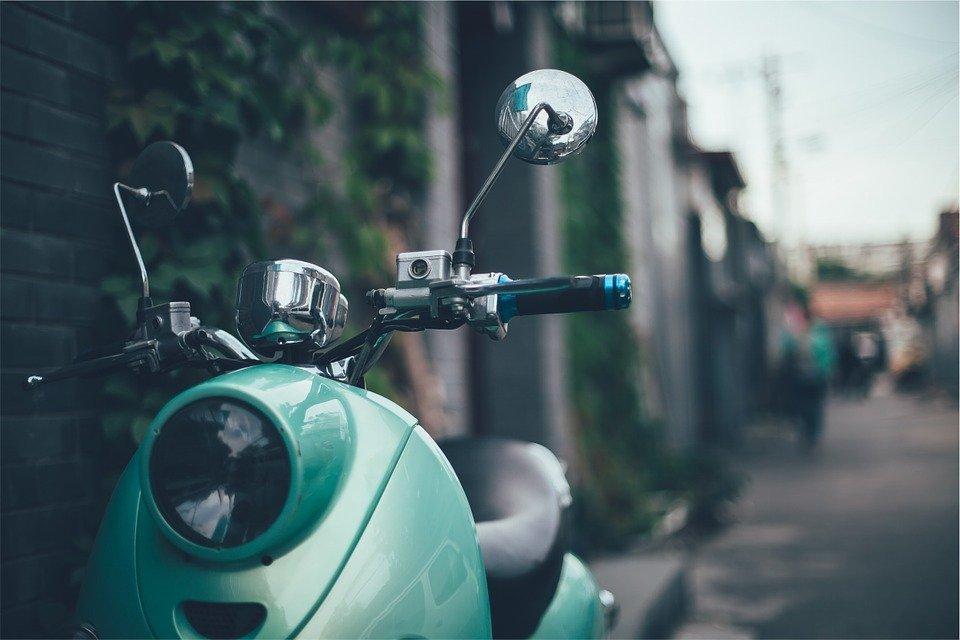
Scooter, Italy, Vintage, Old, Green, Motorcycle, Travel

The Superstition

When it comes to bikes, most people look at the overall design, the mechanics, and the engine, with the colour being a distant thought towards the end. This is unlike choosing a colour for your car, which plays a more prominent role. However, were you aware that for the longest of time, green was considered a bad tone for a motorbike? The reason being that most military vehicles are green and thus several bikers on “green” bikes ended up killed during the war. That all changed over time, and now you can find different shades of green with military green being as famous as any other colour.   

Gone Forever

If you love your bike with all your heart, and cannot think about parting with it, then you better make sure it is safe at all times. Statistics show that the chance of recovering a stolen motorbike is only 30% as opposed to a car where the authorities track down almost 60% of the vehicles. However, if you own a Harley Davidson, rest assured, they are the ones least stolen. 


In the Movies

There are several iconic moments in movies that deserve mention. Like, did you know that it was stunt-driver Bud Ekins who made that jump over the fence in Steve McQueen’s The Great Escape? In fact, he did it in one shot. That’s not all, for Peter Fonda wore his now-legendary American jacket from Easy Rider for a week before shooting started. He rode his chopper all around LA to get used to the “costume” and to give it a used look. Lastly, Tim Allen starring Wild Hogs, has a scene in which we see Paul Teutul Sr and his son, two of the most popular TV personalities associated with motorbikes.


Monday, August 10, 2020

Wayside Fallen Riders Memorial Service 2020


Travel in 2020 and the changes that COVID-19 has brought to our world has made hosting events a challenge.

One has to get creative if there is to be any joy being spread! Here in Northwestern Alberta COVID-19 is a topic that has sucked the oxygen out of the room, just like it has everywhere else.

 
Alberta has entered stage two re-opening and has started to allow gatherings of up to 200 people out of doors. You have to be physically distanced, temperatures have to be checked and they want you to control the flow of human traffic to avoid people coming into contact with you. 
Some of our cities have made masks mandatory, others are not getting into the great mask debate so far.  


It was under these odd circumstances and the rather restrictive guidelines that one of Alberta's largest grassroots motorcycle rallies was able to host one of it's most integral ceremonies. 
Bob Ross, President of the Canadian Motorcycle Tourism Association and one of the founders of the Wayside Fallen Riders Memorial Park jumped through a lot of hoops to make the Fallen Riders Memorial service happen.
 
The Run to the Hills Memorial Rally would normally have been held July 17-19, but of course, large gatherings are still a no no, and music is a definite forbidden fruit. 
 
On the Saturday of the rally, there is always a memorial service and roll call to remember the fallen in the motorcycle community.  Never before has there been a need to have approval to host a memorial service. Thankfully Alberta Health Services approved the memorial ceremony with up to 200 people.
 
2020 has been the one thing I wished the Cancel Culture would CANCEL!
Mother Nature is obviously having some kind of episode with PMS, she is one cranky old bag!!!
In spite of the mixed bag of weather that swirled around me as I rode from Grande Prairie to Two Hills, a 7 hour ride, I managed to stay dry only getting rained on as I pulled into the event.
 
 
100 riders came out to remember their fallen. 
 
It was an emotional ceremony with many sobbing as they paid their respects. Sadly we have lost a lot of riders in the last year here in Alberta.   As Pastor Wes read out the roll of our fallen, the sun started to break through and the rest of the day was beautiful.
 
Pastor Wes readin the roll
 
If you ever find yourself in Alberta (if they ever reopen our border), you need to visit Two Hills Alberta, and spend some peaceful moments in the chapel, or on the wrap around deck looking out over the rolling farmland and the Two Hills Golf Course.  
 
Wayside Fallen Riders Memorial Park in Two Hills Alberta is a place to remember and reflect, for friends, family and motorcycle family members alike.  It is a tranquil and unique spot built by riders with rider's families in mind.  Find them on Facebook
 
Belt Drive Betty
Editor & Rider

Thursday, June 25, 2020

Fatboys Motorcycle Association Poker Rally is Aug 14-15, 2020

At the High Level Rural Hall
$50 per ticket for the entire weekend!
$5000 Grand Prize
BC/DC and The Sociables
All Proceeds to benefit Local Groups
CMTA Sponsored Event